Uzbekistan is implementing a large-scale program to modernize its wastewater treatment system. In Tashkent region alone, four new treatment facilities are planned to be commissioned by the end of this year. One of them is located in the city of Chirchiq.
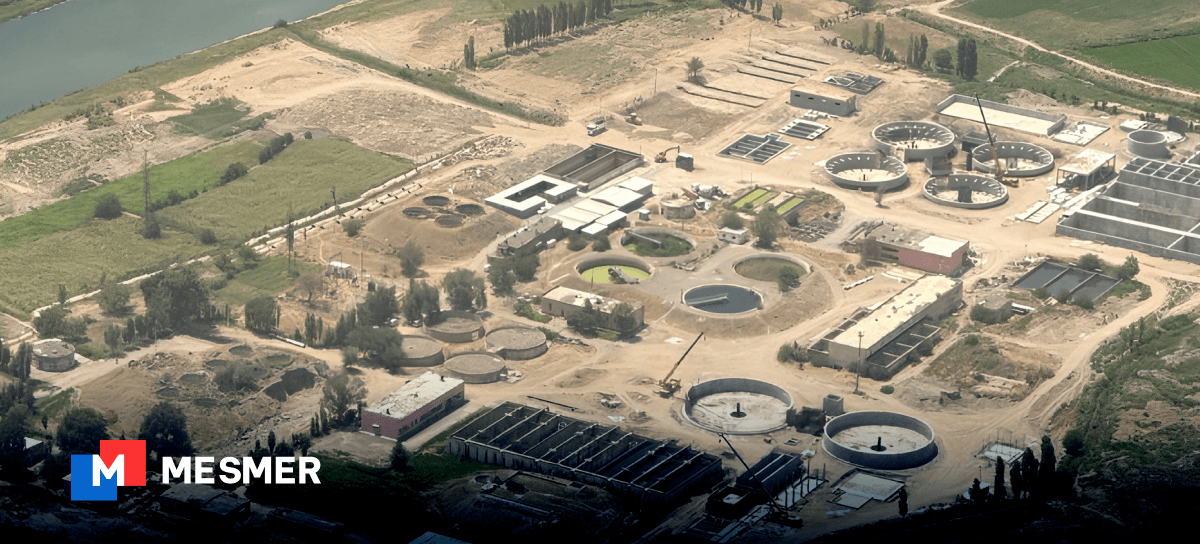
This project is being carried out with the support of the Asian Development Bank. Construction of the new facility is 90% complete, and testing is currently underway. The old facility in Chirchiq, built in 1975, had the capacity to treat 80,000 cubic meters of wastewater per day. The new complex, built on an area of 20 hectares, will process 130,000 cubic meters daily. Once fully operational, it will serve 610,000 residents.
Thanks to advanced technologies, the water will undergo 24 stages of deep purification, minimizing environmental impact. Treated water can be reused for agricultural purposes, in particular for industrial crops, ensuring more efficient resource utilization.
The new facility will serve not only the city of Chirchiq but also residents of Gazalkent, Bostanlyk, and Qibray districts. As a result, the coverage of sewage services in the region will increase from 61% to 84%.
The commissioning of this wastewater treatment facility marks an important step toward strengthening environmental sustainability, improving water efficiency in agriculture, and enhancing the quality of services for the population.